

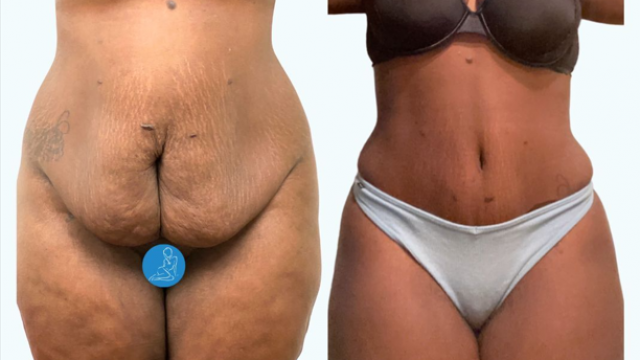
Key Takeaways
- Tummy tuck recovery is gradual, and most patients improve in stages rather than all at once.
- The first week is typically the most uncomfortable, with bruising, tightness, swelling, and fatigue being common.
- Compression garments, slow walking, and rest are emphasized early in recovery to support healing and reduce complications.
- Light activity often resumes around week 2, while heavier exercise and core work usually wait until weeks 6 to 8 or later.
- Final results can take months to fully settle, and the article notes that full healing may take up to 6 months to a year.
A tummy tuck (abdominoplasty) is among the most empowering body contouring surgeries, but the recovery process requires meticulous planning and wholehearted dedication.
In this guide, we’ll walk you through what to expect after a tummy tuck, week by week, including common symptoms, healing milestones, tips to recover faster and FAQs we hear at South Florida Center for Cosmetic Surgery.
What Is a Tummy Tuck?
A tummy tuck, or abdominoplasty, is one of the most rewarding body contouring procedures, but recovery requires patience, planning, and proper aftercare. The South Florida Center for Cosmetic Surgery breaks down the healing timeline so patients can better understand common symptoms, recovery milestones, and when normal activities can resume.
Tummy Tuck Recovery Timeline: Week-by-Week Breakdown
Week 1
During week 1, patients should expect bruising, tightness, discomfort, fatigue, and a hunched posture, and some may have drain tubes in place. The clinic recommends slow, gentle walking, consistent compression garment use, and rest to help reduce swelling and lower the risk of blood clots.
• What to expect: Bruising, tightness, discomfort and feeling tired. You’ll be walking slightly hunched over.
• You may have drain tubes in place.
• Pain level: Moderate (controlled by prescribed medication)
• Tips:
• Cherish your body by always wearing your compression garment.
• Walk slowly to prevent blood clots.
Week 2
By week 2, drains may be removed and gentle movement becomes easier, although swelling can still be present. Many patients can begin light, non-strenuous activity at this stage, but driving should wait until pain medications are no longer needed.
• Look forward to: The potential removal of drain tubes. Swelling persists but diminishes.
• Pain level: Mild to moderate
• Tips:
• Keep wearing your compression garment.
• You may return to light, non-strenuous activities.
• Don’t drive while you’re still on pain medications.
Week 3 – 4
During weeks 3 to 4, many people start feeling more like themselves as bruising fades and swelling continues to improve. Depending on the type of work they do, some patients may return to their jobs, but heavy lifting, strenuous cardio, and core workouts should still be avoided.
• What to expect: You’ll feel more like yourself. Swelling starts to subside, and bruising begins to vanish.
• You can: Return to work (depending on your job), keep up with the walks and movement.
• Avoid: Lifting heavy, intense cardio, core workouts.
• Tips: Stay in top shape by drinking plenty of water and eating wholesome foods. Keep your incisions clean and dry.
Week 5 -6
By weeks 5 to 6, mobility improves further and some patients may be cleared to begin exercise again, as directed by their surgeon. The article notes that posture, gentle stretching, hydration, and healthy nutrition can all support the healing process, even though some swelling may still remain.
• What to expect: Feel the rush of vitality as it starts flowing back into your body, empowering you to embrace more of your everyday activities.
• You might: Start exercise (as cleared by your surgeon)
• Tips: Start focusing on posture and slow stretching.
• Note: Some swelling can persist — this is normal!
Week 7 – 8
At weeks 7 to 8 and beyond, most swelling has decreased and the contour becomes more visible. With surgeon approval, patients may resume fuller activities such as workouts, intimacy, and travel, while scar massage and long-term scar care may also be introduced.
• What to expect: Most of the swelling is gone. You’ll notice improved contour and results.
• Feel free to: Resume workouts (even light ab exercises), engage in intimacy and embrace the joy of travel.
• Tips: With your surgeon’s approval, implement scar massage and other tips for better scar healing.
Common Tummy Tuck Recovery FAQs
Most people feel 80–90% healed by week 6–8, but full healing and final results can take up to 6 months to a year depending on the extent of surgery and individual factors.
When can I go back to work after a tummy tuck?
If your job is desk-bound, you might be able to return within 2 to 3 weeks. If your job is physically demanding, you might need a leave of 4–6 weeks.
Typically, at weeks 6–8. Always get your doctor’s ok first, especially for core exercises.
Will I have scars after a tummy tuck?
Yes, but your surgeon places the incision low enough to be hidden by underwear or bikini bottoms. With time and proper care, the scars will typically fade significantly.
Will a tummy tuck cause pain?
There is moderate pain during the first week, but it’s manageable with medication. Most patients state that the self-esteem and confidence gained make it entirely worthwhile.
Empowering Recovery Tips from Our Team
• Never skip your doctor’s appointments.
• Devoutly wear your compression garment
• Prioritize ample rest during the initial two weeks.
• Enlist support at home — especially if you have children.
• Believe in the journey – the swelling will fade, and the results are permanent.
Schedule Your Tummy Tuck in Fort Lauderdale Today
At South Florida Center for Cosmetic Surgery, patients can learn more about tummy tuck recovery, meet the doctors, and explore before-and-after galleries to better understand what results may be possible. To discuss your goals and create a recovery plan that fits your needs, schedule a consultation with the clinic’s tea